Fire Performance of Sign Materials
Fire performance of signage materials can influence what you specify, particularly in buildings where fire safety requirements place restrictions on materials and finishes.
Signage comes in many forms, from simple door signs and directories to large wall graphics, illuminated lettering and external building signs. Each uses different materials, and not all offer the same reaction-to-fire performance.
So, what should architects and contractors look for when choosing signage materials?
Understanding Fire Performance Classifications
In the UK, BS EN 13501-1 provides a classification system for assessing how construction products react to fire.
The system uses classifications from A1 to F, with A1 representing the highest level of reaction-to-fire performance and F indicating that a product has not achieved Class E.
You may also see additional ratings for smoke production (s1, s2 or s3) and flaming droplets (d0, d1 or d2).
For example, a B-s1,d0 classification indicates limited contribution to fire, low smoke production and no flaming droplets under the relevant test conditions.
These classifications don’t tell you how long a sign will resist fire. They describe how a product reacts when exposed to fire, which is a different measure.
How Do Different Signage Materials Perform?
Sign manufacturers use a wide range of materials, each with its own advantages and limitations.
Aluminium and stainless steel
Metal is a popular choice for architectural lettering, sign trays, directories and external signage. Uncoated aluminium and stainless steel generally have excellent reaction to fire properties.
However, painted finishes, adhesives and other components can affect the performance of the finished product.
Acrylic and plastics
Acrylic is widely used for illuminated signs, lettering and internal signage. Although it offers plenty of design flexibility, it is combustible, and its fire performance varies between products.
Where a project specifies a particular fire classification, check the product’s supporting documentation before selecting it.
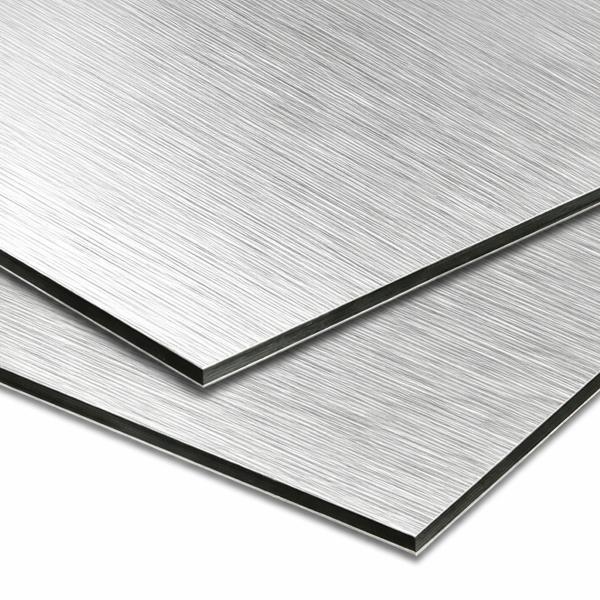
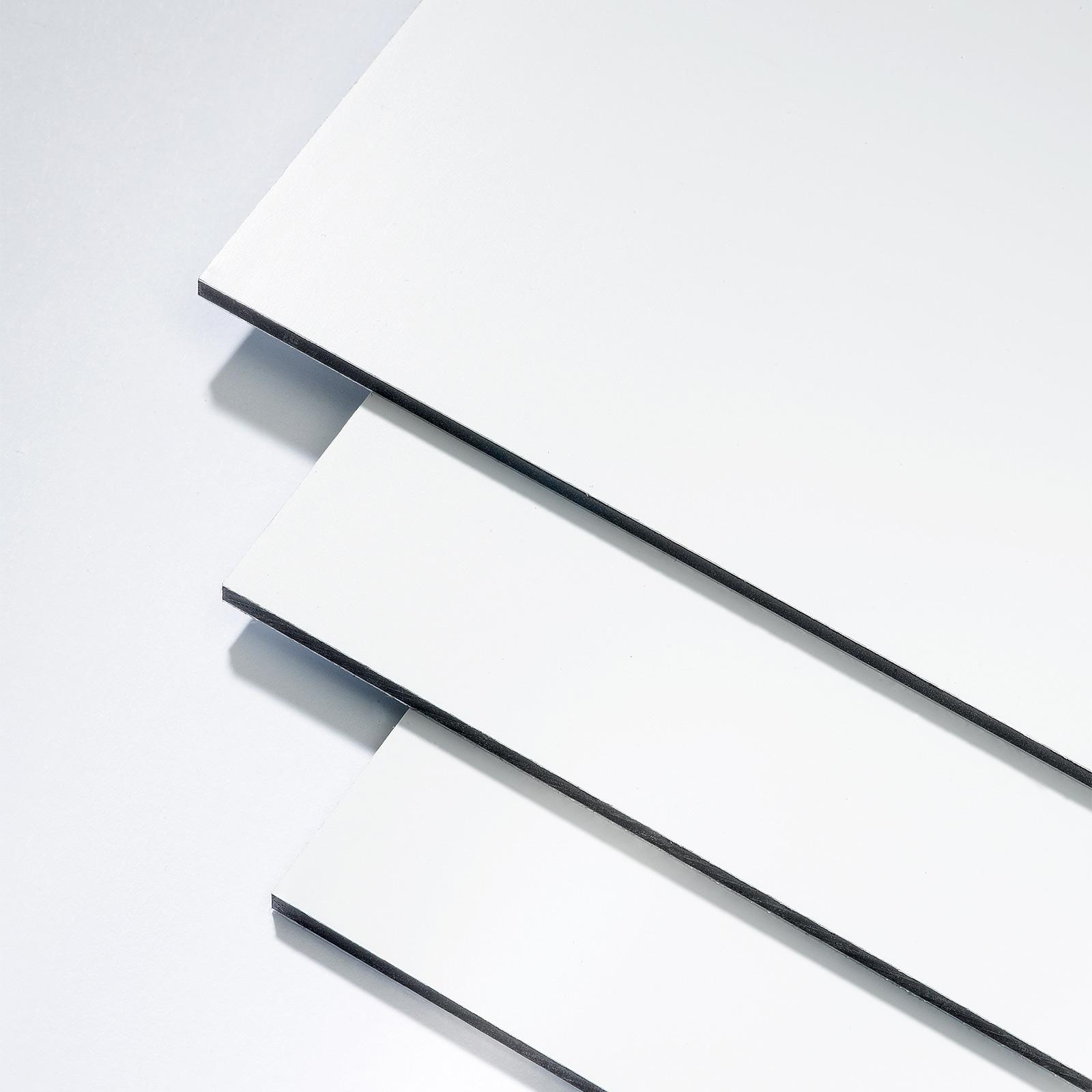
Aluminium composite material (ACM)
ACM is commonly used for sign trays, panels and external signage. Not all ACM products are the same, though.
Different core materials offer different levels of fire performance, so it’s important to check the classification of the exact product being specified.
Vinyl graphics and decorative finishes
Vinyl graphics can cover anything from a small door panel to an entire wall.
The size of the installation, the surface receiving the graphics and the materials used can all affect what fire performance requirements apply.
A classification for the vinyl alone may not cover every application or substrate.
Where Does Fire Performance Matter Most?
Fire safety requirements vary depending on the building, where the signage will go and how it forms part of the finished construction.
Healthcare Buildings: Hospitals and healthcare facilities often have detailed fire safety requirements, particularly around escape routes, circulation areas and compartmentation.
Large wall graphics, directories and decorative signage may need additional consideration where they form part of internal wall finishes.
Schools and Universities: Education buildings use a mixture of room identification, wayfinding, wall graphics and larger feature signs.
A small door sign and a full-height wall graphic serve different purposes and may be subject to different requirements.
It’s worth checking the material specification early, especially where graphics cover large areas.
Commercial Buildings: Office receptions, shared spaces and circulation routes often feature illuminated lettering, branded wall panels and architectural signage.
Where these installations form part of wall finishes, the project team should check whether the proposed materials meet the relevant fire safety requirements.
fire performance of External Signage
External building signs can involve a combination of metal, acrylic, composite panels, electrical components and structural supports.
Signs fixed to cladding or other façade systems may need additional review to establish how the installation affects the external wall construction.
fire performance considerations
A sign might have an aluminium face, but that doesn’t mean every part of the finished sign has the same fire performance.
Depending on the design, it could also contain acrylic, adhesives, coatings, vinyl graphics, internal supports and electrical components.
The classification of one material doesn’t automatically apply to the complete sign.
It’s important to check what the available test evidence actually covers, particularly where the project requires a specific reaction-to-fire classification.
What Should Architects Include in Their Signage Specifications?
If a project requires signage materials to meet a particular fire classification, make that requirement clear in the specification.
Include the required classification, where the signs will be installed and any restrictions on materials or finishes.
This gives the signage contractor the information needed to review suitable products and identify any issues before manufacture.
It also helps avoid specifying a material that later needs to change because it doesn’t meet the project’s requirements.
Need Advice on Signage Materials?
Norsign Group designs, manufactures and installs bespoke signage for commercial, education, healthcare and public-sector projects throughout the UK.
We work with architects and main contractors to review signage specifications, discuss material options and develop signage packages that meet the project’s design and technical requirements.
Where fire performance requirements apply, we can review the proposed materials against the criteria provided by the project team and identify where further product information may be needed.
Get in touch with Norsign to discuss your signage specification or upcoming project by emailing hello@norsign.co.uk or by calling 01698 713399

