Signage in Refurbishment Projects
Refurbishment projects bring a different set of challenges to new-build developments. Instead of starting with a blank canvas, signage has to work with an existing building, retained finishes, established layouts and, in many cases, spaces that remain operational throughout the work.
Whether a building is undergoing a complete transformation or a smaller interior refresh, understanding what there is already is an important part of developing the right signage solution.
working with existing surfaces
Builders may have altered existing walls several times over the life of a building, and the visible finish doesn’t make it obvious what sits behind it. Stone, plasterboard, timber panelling, glazing, cladding and older masonry all require different approaches to fixing signage.
A site survey helps us establish the condition and construction of these surfaces before we manufacture, allowing us to consider suitable fixing methods without unnecessarily disturbing retained finishes.
retaining existing features
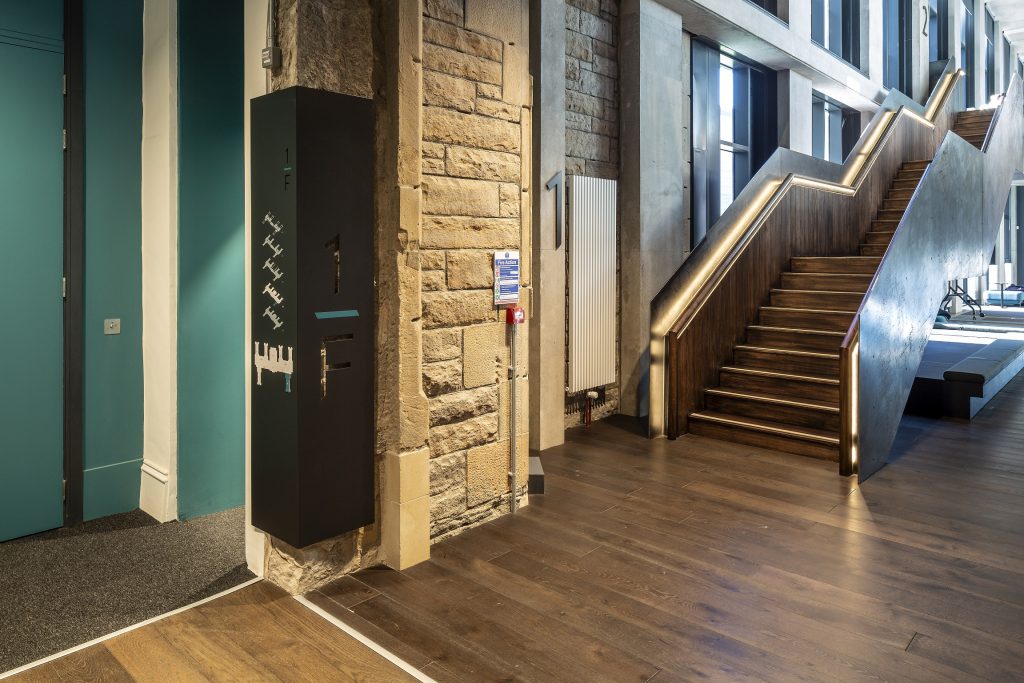
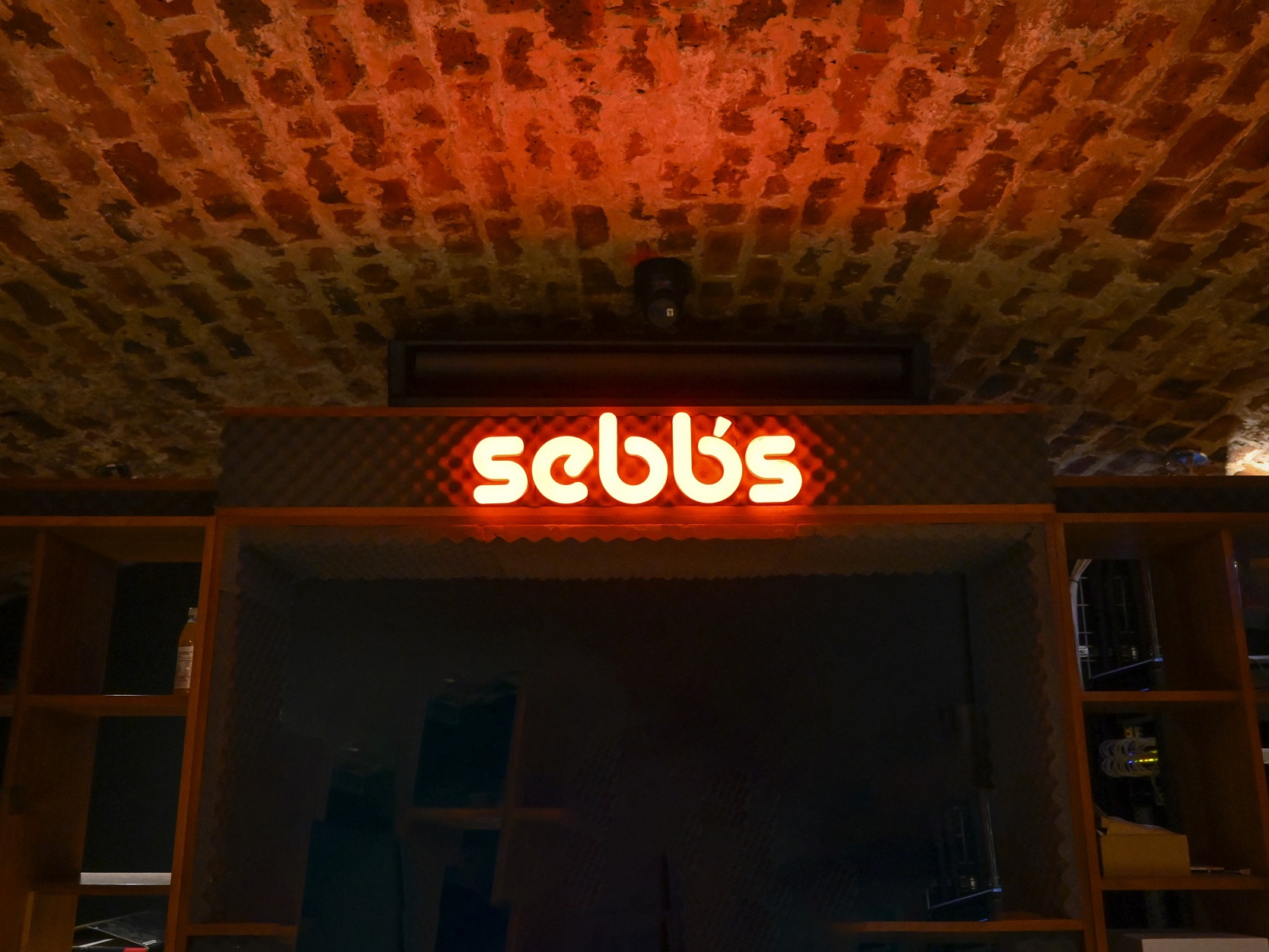
Refurbishment doesn’t mean replacing everything. Original architectural features, wall finishes, and other elements form an important part of the finished interior. The signage needs to sit comfortably alongside these rather than looking like an addition. This can influence everything from the size and positioning of a sign to its material, finish and fixing method.
dealing with previous signage
Removing an existing sign doesn’t always leave a clean surface behind. Once they take down the signage, old fixing holes, adhesive residue, discolouration, and outlines from previous signage can become visible. When they replace signage in the same location, the new design must take these conditions into account.
Surveying the existing installation can help identify potential issues and allow the team to make good requirements or consider alternative fixing positions before the replacement signage arrives on site.
matching what is already there
Some refurbishment projects involve updating only part of an existing signage scheme.
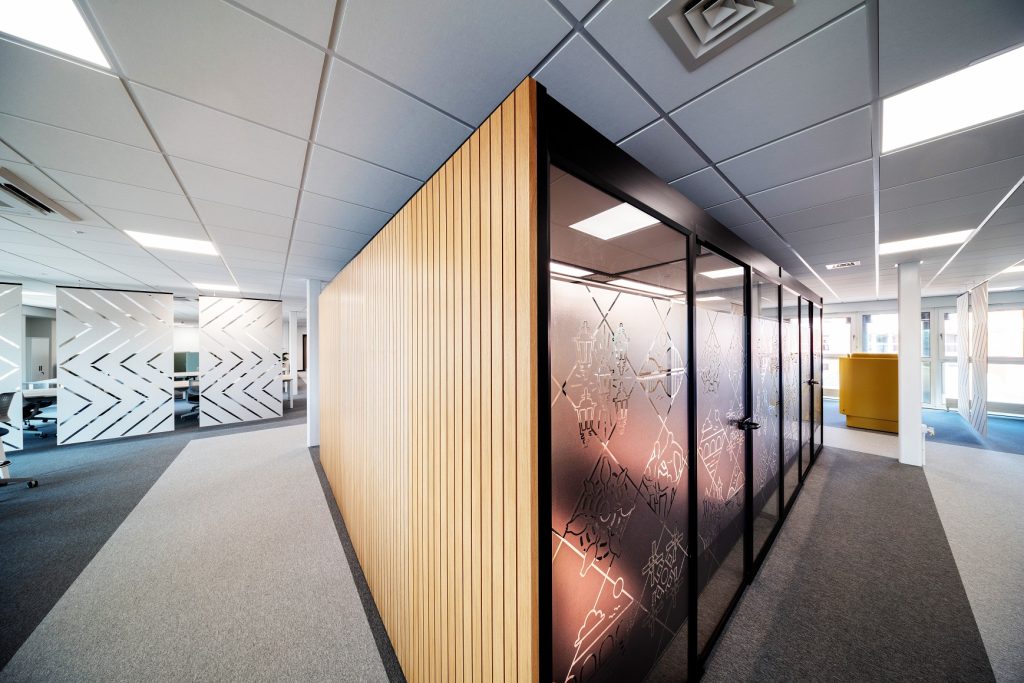
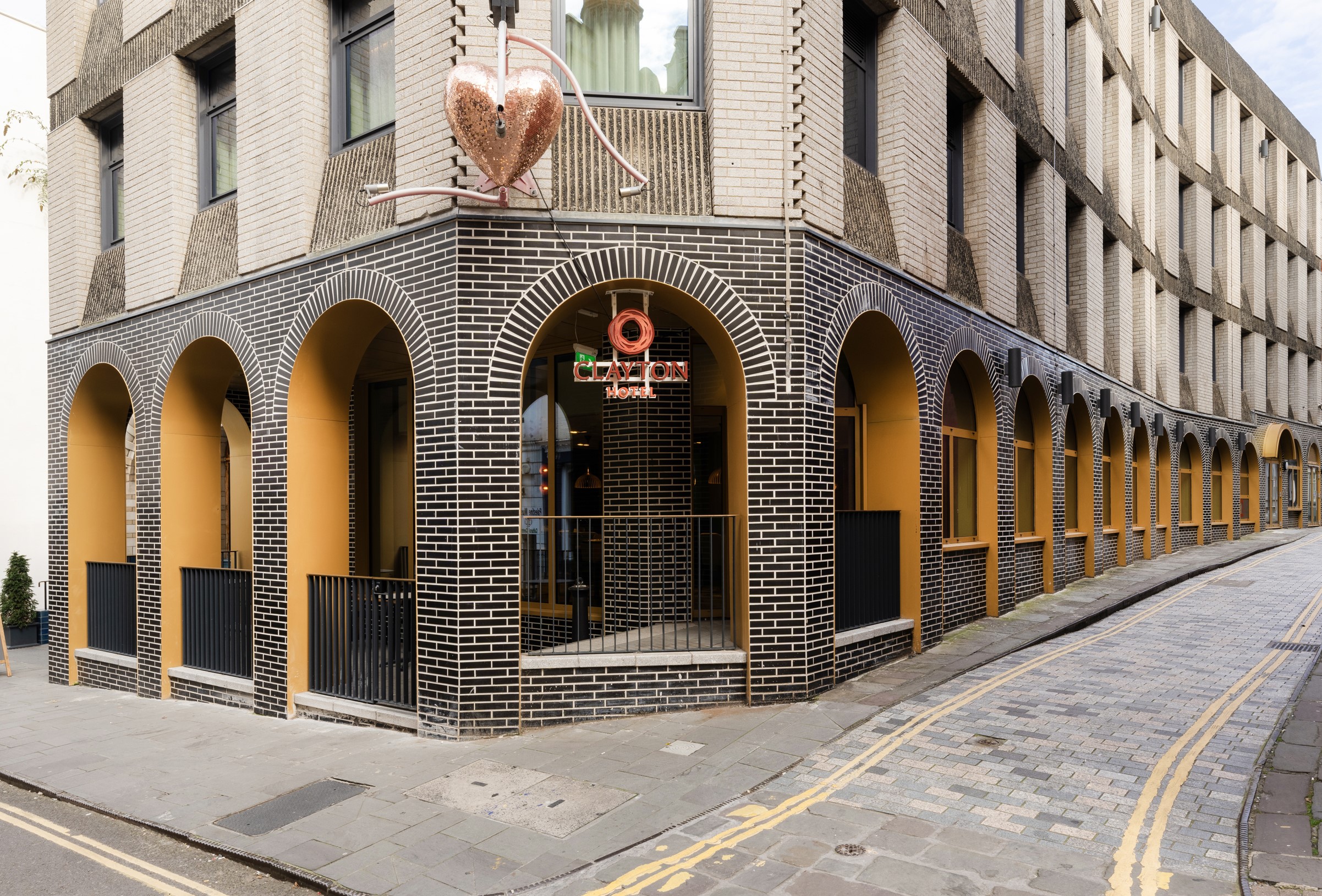
New signs may therefore need to complement established signage elsewhere in the building. Materials, colours, typography, dimensions and manufacturing details are important to create a consistent appearance. Where an exact match isn’t possible, our aim is to develop a solution that works naturally alongside the existing scheme.
working in occupied buildings
Unlike many new build projects, refurbishment work often takes place while a building remains in use. This changes how we need to approach signage installation.
Access times, noise, working areas and the movement of building users all need to be considered. Installation may need to take place in phases, outside normal operating hours or alongside other trades to minimise disruption.
managing phased refurbishment projects
A refurbishment programme isn’t always completed as one continuous project. Individual floors, departments or areas can be handed over at different stages, meaning signage may also need to be manufactured and installed in phases.
This makes coordination particularly important. Sign locations and information can change as the refurbishment progresses, while later phases may need to remain consistent with signage manufactured months earlier.
Keeping specifications, finishes and artwork clearly documented helps maintain that consistency throughout the project.
A different starting point
Understanding existing conditions, coordinating with the refurbishment programme and choosing appropriate materials and fixing methods can make a significant difference to the finished result.
Norsign works with architects, contractors and design teams on signage for refurbishment projects across the UK, from initial surveys and design development through to manufacture and installation.
To discuss signage requirements for an upcoming refurbishment project, contact our team on hello@norsign.co.uk or call 01698 713399.

