Specifying Signage for Different Wall Surfaces
When specifying signage, architects need to consider the wall surface as this can influence the design, manufacture and installation of each sign. Timber, stone, glass and acoustic panels all have different fixing requirements, and not every surface can support signage in the same way.
Considering these requirements during the design stage can help avoid alterations to completed finishes, unsuitable fixings and delays during installation.
SPECIFYING SIGNAGE FOR Timber Panelling
Timber panelling is commonly used in commercial offices, reception areas and public buildings. However, decorative panels may not provide sufficient support for heavier signage, particularly fabricated or illuminated lettering.
Fixings may need to pass through the panelling into a suitable supporting structure. Panel joints, grooves and changes in surface level can also affect sign positioning.
Where concealed fixings are required, suitable supports should be considered before the panelling is installed.

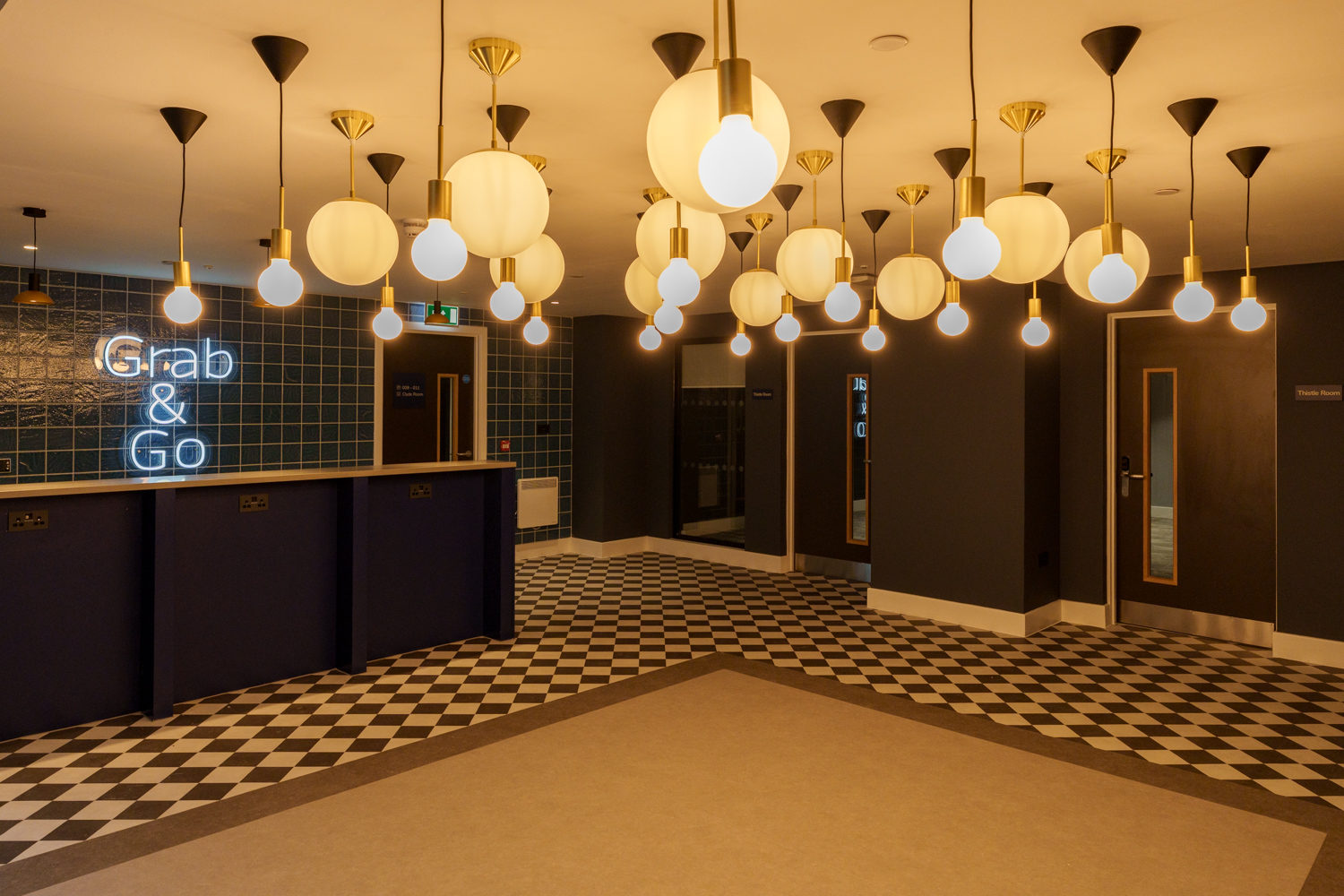
Stone and Tiled Surfaces
Natural stone, porcelain tiles and other hard finishes require care when drilling, particularly near edges and joints where cracking or chipping can occur.
Adhesive fixing methods may be suitable for smaller, lightweight signs, depending on the surface and sign construction. Heavier signage generally requires mechanical fixings into a suitable supporting structure.
Agreeing fixing positions before the finishes are completed can reduce the risk of damage and unnecessary remedial work.
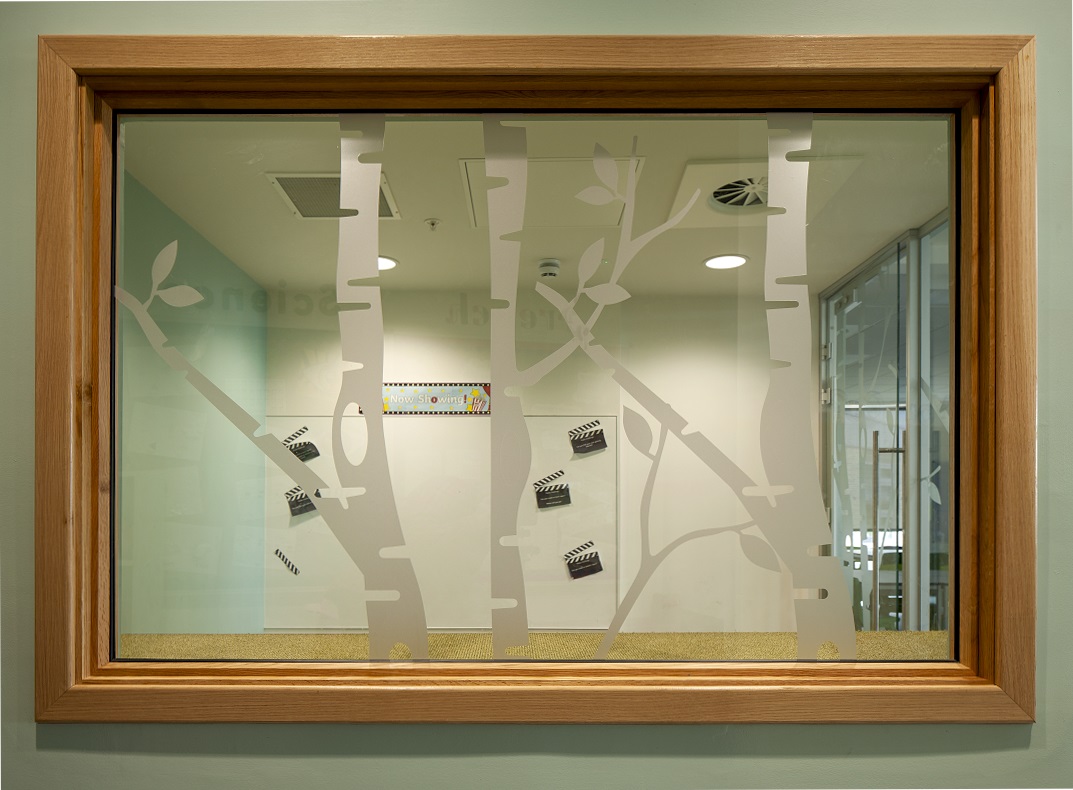

specifying signage for glass panels
Glass partitions commonly feature vinyl graphics, printed films and acrylic identification signs.
Adhesive fixing methods avoid the need to drill into glass, but the appearance of fixings from both sides should be considered. Transparency, reflections and changing backgrounds can also affect the visibility of signage.
Existing glass manifestation requirements must also be taken into account.
Acoustic Panels and Plasterboard
Acoustic panels and fabric wall coverings may not provide adequate support for signage. Fixings often need to connect to the structure behind the panels, particularly for heavier signs.
Plasterboard partitions can accommodate lightweight signage using suitable fixings or adhesives. Larger fabricated signs, projecting signs and illuminated lettering may require additional reinforcement within the wall.
Identifying these requirements before partition works are completed can avoid alterations later.
Illuminated Signage and Feature Walls
Illuminated signage introduces additional requirements, including electrical supplies, concealed cable routes and access for future maintenance.
Where signage is incorporated into decorative feature walls, these provisions should be coordinated with the relevant trades before the finishes are installed.
Planning Ahead
Architects should identify wall finishes, supporting structures and any fixing restrictions within the signage specification. Providing this information allows the signage contractor to develop suitable manufacturing and installation details.
Norsign Group designs, manufactures and installs bespoke signage packages throughout the UK. Our Architect Resource Hub provides further technical guidance on signage fixings, materials and specification requirements.
If you’re planning a project contact Norsign to discuss your requirements by emailing Hello@norsign.co.uk or by calling 01698 713399

