Choosing the Right Sign Fixings
Sign fixings deserve just as much consideration as the sign itself. While the design and materials define the visual impact, the fixing method determines how the team installs the sign, how it performs over time, and how well it protects the surrounding building fabric. Choosing the right solution from the outset helps achieve a durable, high quality finish.
There is no universal fixing solution. Every project presents different challenges, from the weight and size of the sign to the construction of the building itself. Choosing the correct fixing method early in the design process helps avoid installation issues, unexpected costs and unnecessary alterations on site.
Why sign fixings matter
The fixing method has a direct impact on both the appearance and long term performance of a sign. Selecting the right solution from the outset helps achieve a secure installation, protects the building fabric and reduces the risk of remedial work later in the project.
At Norsign, we consider the substrate, sign weight, location, maintenance requirements and surrounding construction before recommending a fixing method. This ensures that we complete every installation appropriately for its environment and safely and efficiently.
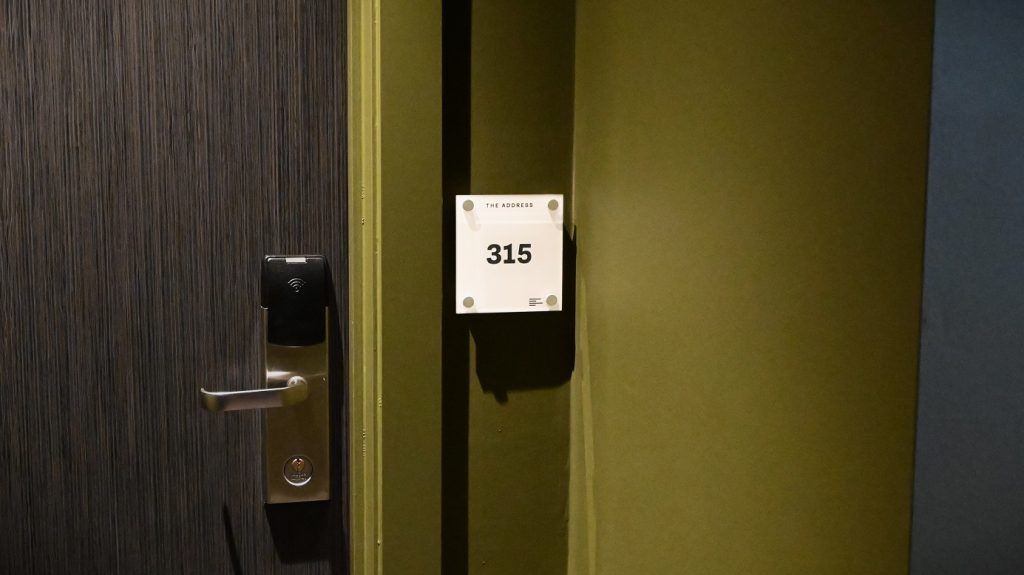
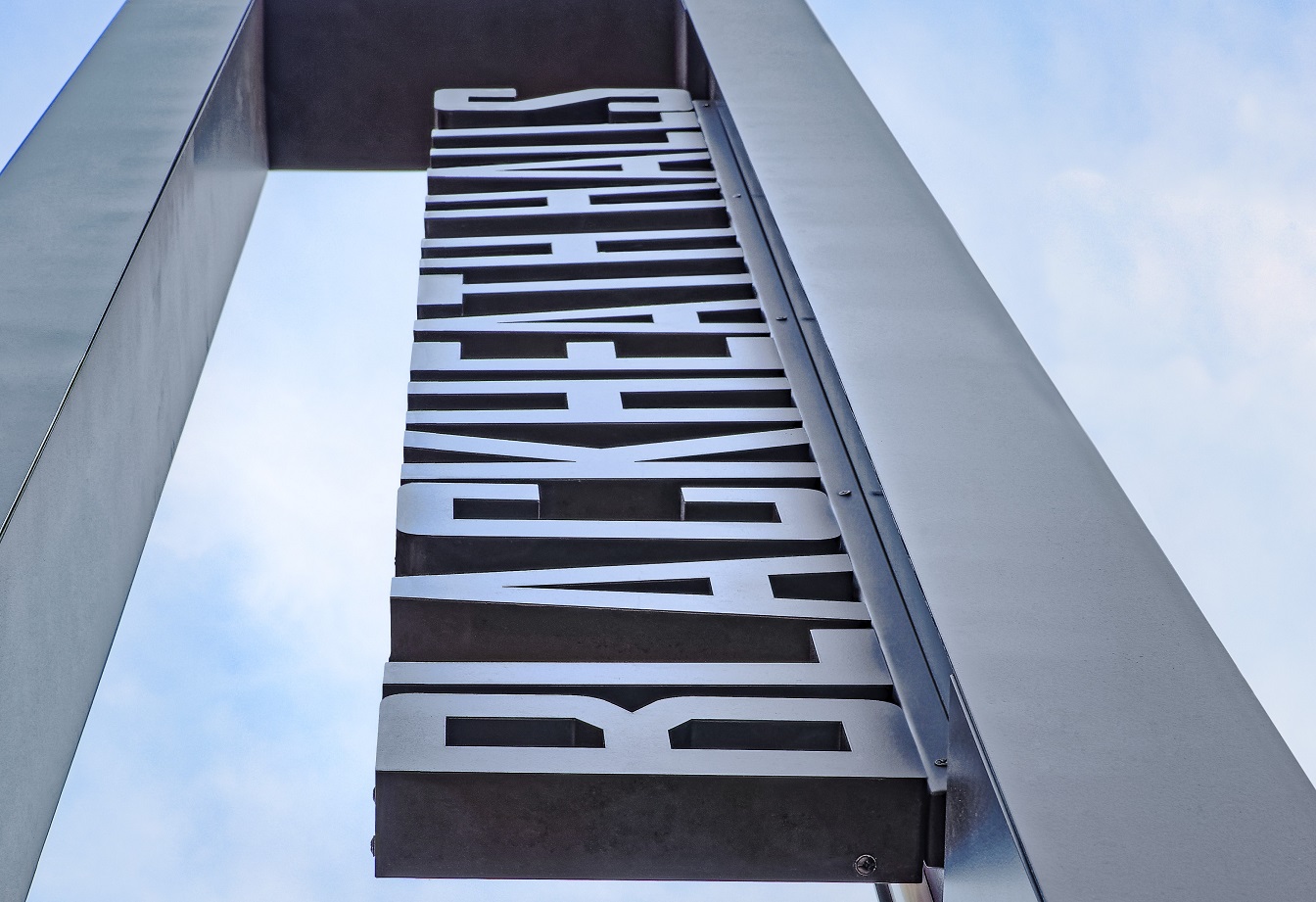
Concealed fixings
Concealed fixings hide mechanical fixings behind the sign, creating a seamless appearance. Designers widely use them for built up lettering, wall panels, and feature signage, where maintaining a high quality finish is just as important as providing a secure installation.
The installation of stud fixings into the rear of individual letters creates the impression that the lettering floats from the wall, while hidden brackets allow larger panels to be installed without compromising the finished appearance. The result is a simple, high quality finish.
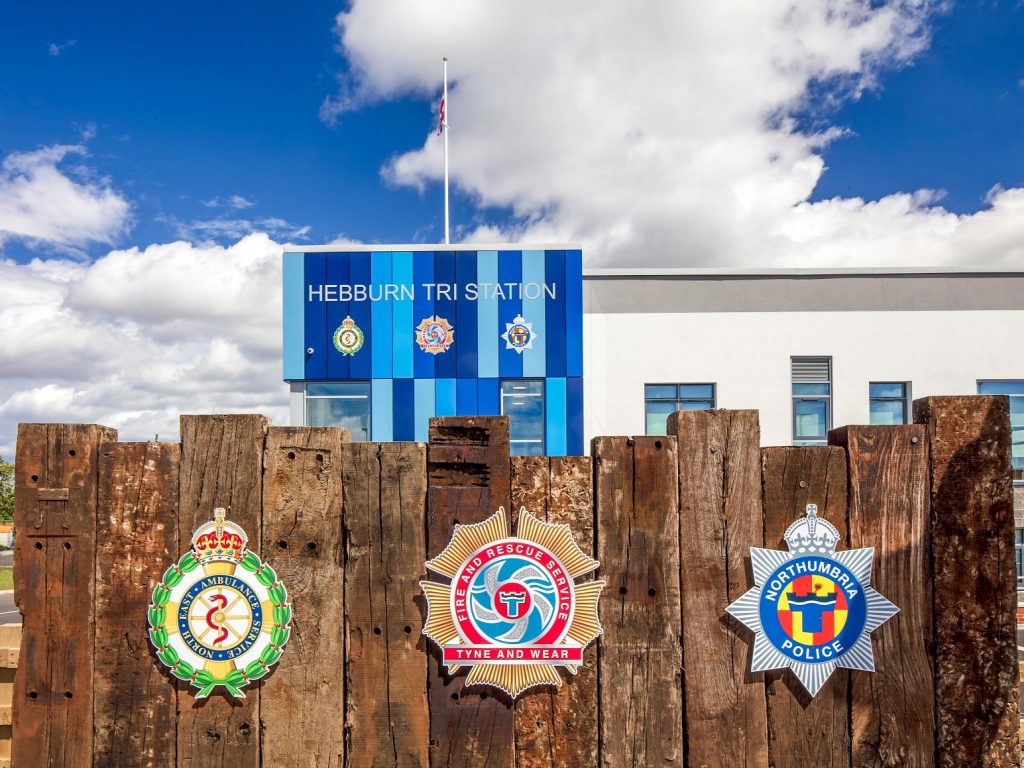
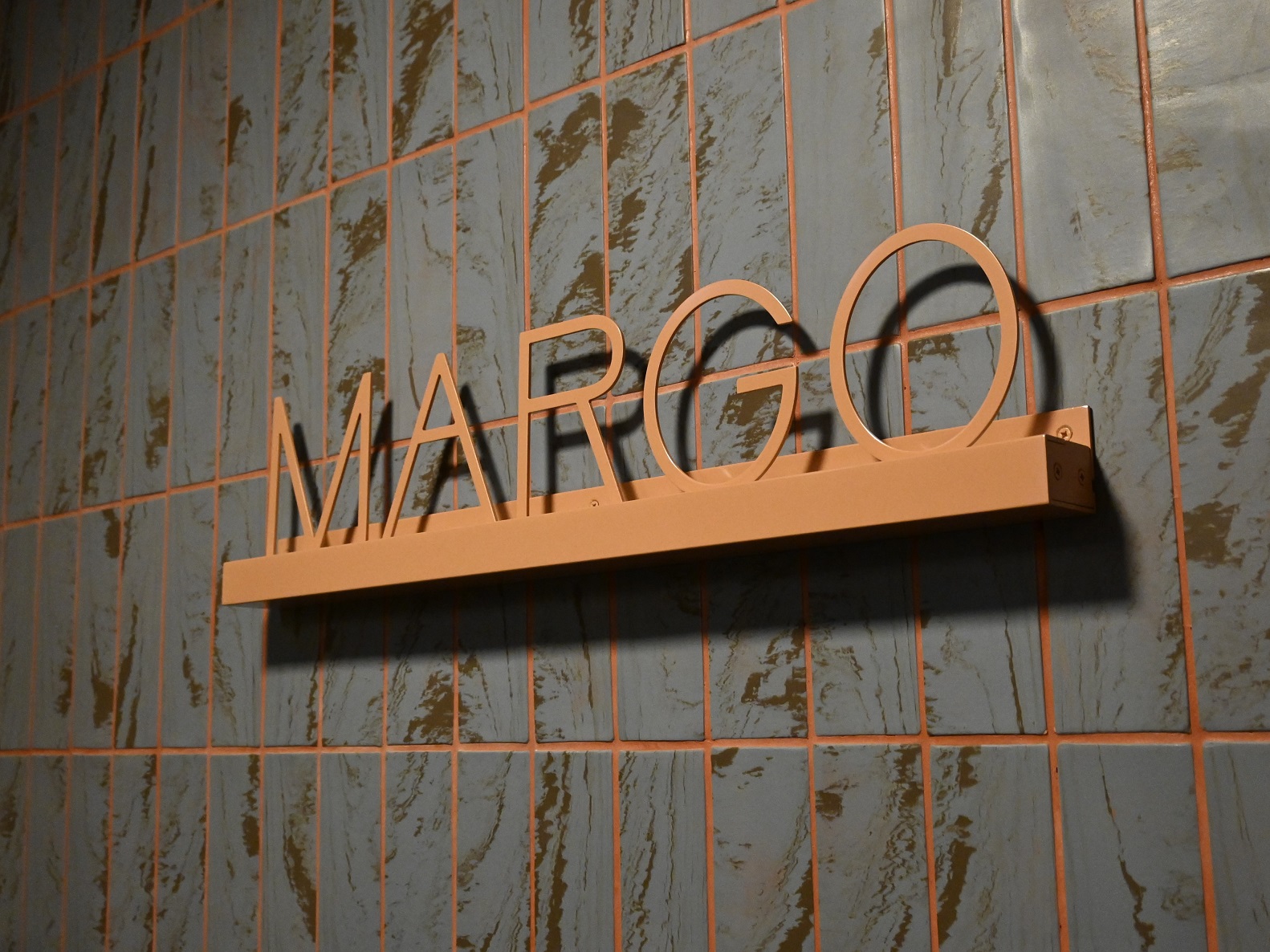
stand-off fixings
Stand-off fixings hold the sign clear of the wall, creating a shadow line that adds depth to the finished installation. They are commonly used for reception branding, directory signs and acrylic panels, where they provide a simple but effective design feature. They also make cleaning behind the sign easier and can help overcome minor imperfections in the substrate.
rails
Larger signs often require a more robust fixing method. Rail systems support the weight of the sign while allowing installers to position individual elements accurately during installation. People commonly use them for built up lettering, façade signage, and installations on uneven surfaces. On illuminated signs, rail systems can also conceal wiring and electrical components behind the lettering, helping to maintain a clean appearance while providing easy access for future maintenance if required.
adhesive sign fixings
Adhesive fixing offers a neat solution where drilling into the substrate is either impractical or undesirable. People commonly use it for smaller signs, door plaques, and interior lettering, particularly on finished surfaces where they do not require visible fixings. Achieving a long lasting bond depends on selecting the right adhesive and preparing the surface properly. Factors such as the substrate, temperature and moisture levels all need to be considered before installation.
masonry fixings
External signage requires a different approach. Brickwork, concrete and blockwork each need fixings capable of supporting the applied loads while withstanding exposure to the elements.
Depending on the project, this may involve expansion anchors, resin bonded fixings or other specialist systems designed to suit the building construction. Larger signs, illuminated signage and monoliths often require additional structural consideration to ensure they perform safely.contractors to price accurately, coordinate efficiently and reduce variations.
considerations
Not every internal wall can support heavy signage. While lightweight signs may fix directly into plasterboard using specialist cavity fixings, larger or heavier signs often need structural support behind the finished wall.
Coordinating signage requirements during the construction phase allows suitable timber or steel framing to be installed before the plasterboard is fitted. This simple step can prevent alterations later in the programme and provides a much more robust installation.
planning ahead
Choosing the right fixing is only part of the process. Signage also needs to be coordinated with the wider project to ensure suitable supports, power supplies and fixing details are in place before installation begins. Considering these requirements early helps avoid design changes, site delays and unnecessary remedial work, while making installation safer and more efficient for everyone involved.
The right sign fixings for every project
Every building presents different challenges, which is why the fixing method should always reflect the specific requirements of the project rather than follow a standard approach.
By considering the building construction, substrate, sign type and installation environment at an early stage, project teams can achieve a cleaner finish, improve long term performance and avoid unnecessary complications during installation.
To discuss sign fixings or any aspect of your signage project, get in touch with our team.
Telephone: 01698 713399
email: hello@norsign.co.uk

