Early Design of illuminated signs
Illuminated signs often get pushed late in the programme, which can lead to avoidable coordination issues and added pressure on programme and installation.
When you consider requirements such as power provision, cable routes, structural supports, and fixing details early, you can properly integrate them into the build. This reduces rework on site, avoids clashes with other trades, and ensures the final result aligns with the design intent.
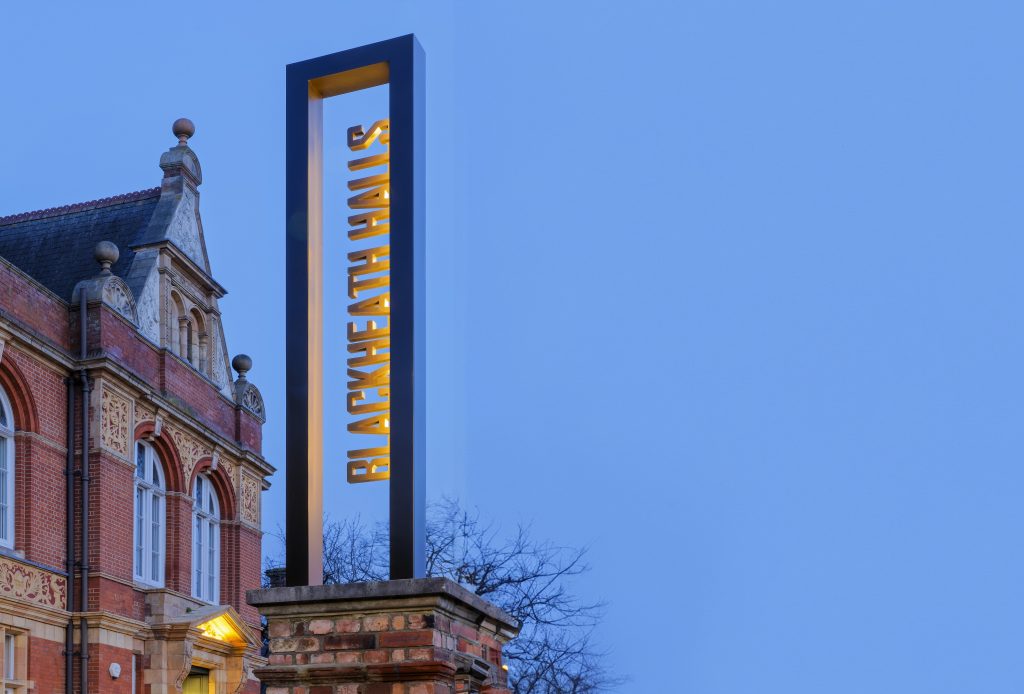
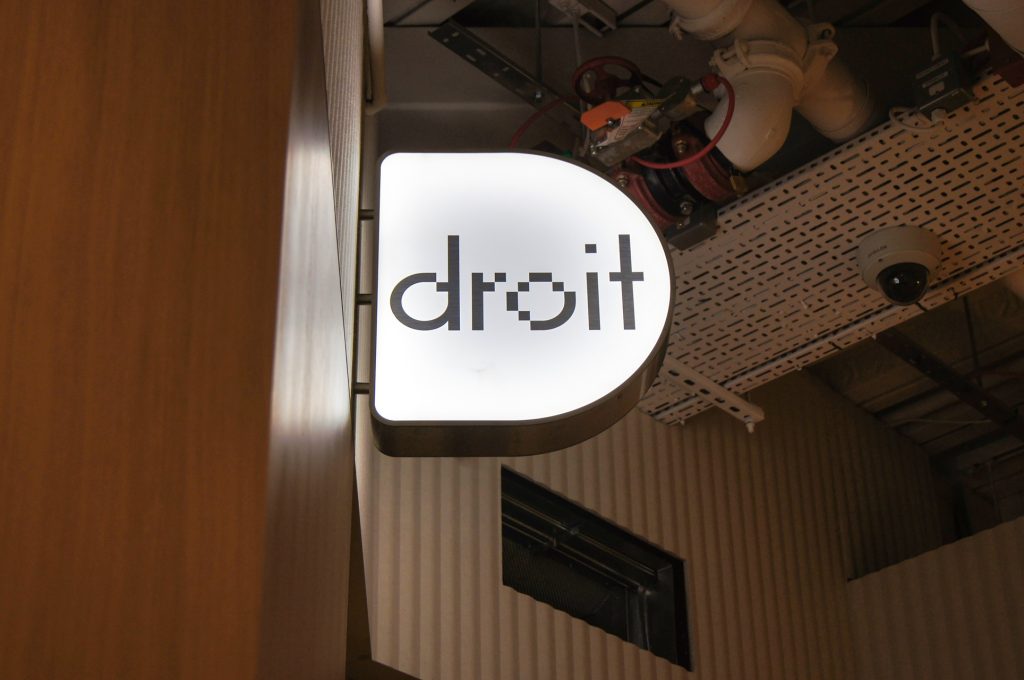
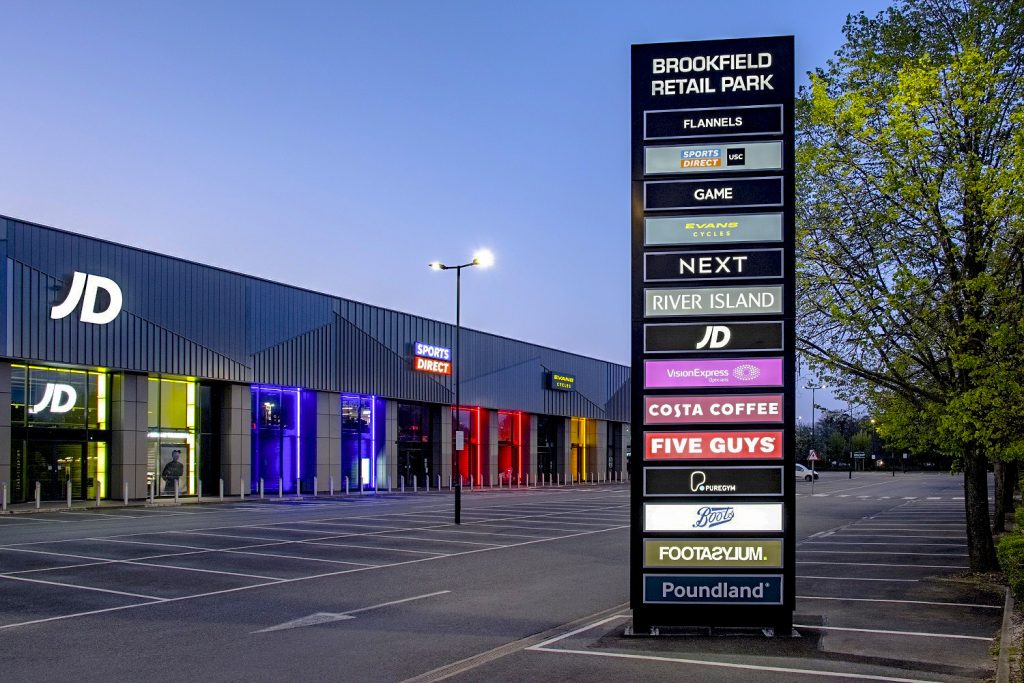
power coordination
Illuminated signs needs a reliable power source. That sounds obvious, but people often overlook it.
Design teams need to define power routes, driver locations and access to electrical connections
By resolving requirements at design stage, elements such as cable routes, power supplies, fixings, and driver locations can be built into the fabric of the building rather than added later. This avoids exposed containment, surface mounted boxes, and last-minute adjustments that can compromise the finish.
It also allows proper coordination with cladding, façades, and internal finishes, ensuring signage sits cleanly within the architecture rather than fighting against it. Access, maintenance, and installation sequencing can all be planned in advance, reducing time on site and minimising disruption to other trades.
structure and fixings
Illuminated letters and signs carry weight. They also create wind load on façades.
Structural support must be designed in. This can include:
– Secondary steelwork
– Reinforced fixing points
– Support rails or brackets
If the façade does not account for these requirements, it can leave installers with limited fixing options. This can lead to late-stage adjustments and design changes during the project.
Illuminated Signs and maintenance
Every illuminated sign will require maintenance. Drivers fail. LEDs degrade. Components need replacing.
If teams don’t plan access early, maintenance becomes difficult or unsafe. You often see no access routes, no safe working positions or fully sealed installations with no maintenance strategy.
Designers should always consider how to maintain the sign, not just how it looks on day one.

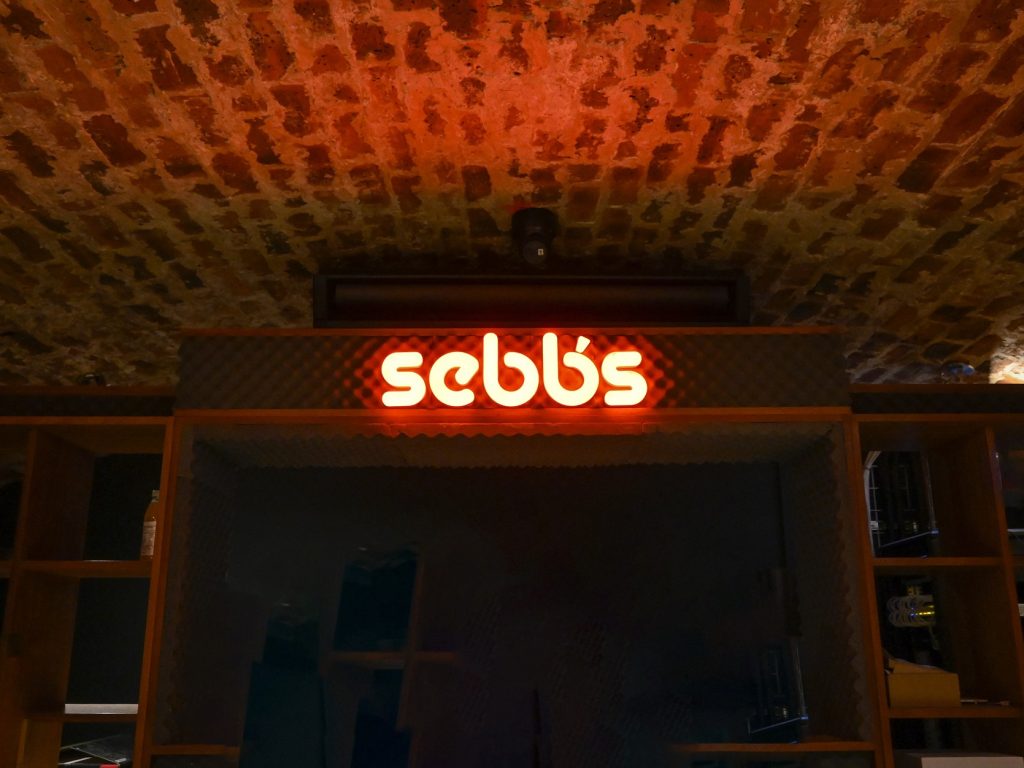
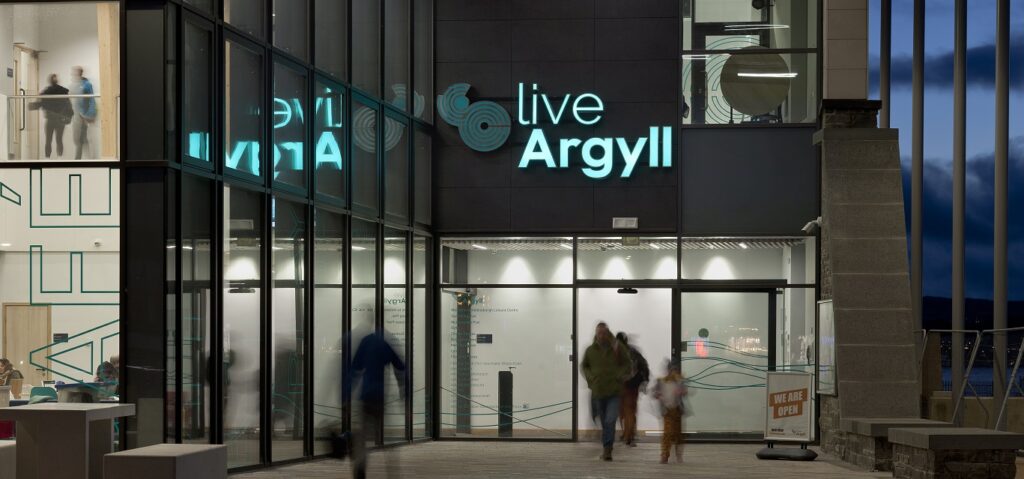
building facade
Illuminated signage should integrate with the building, early design coordination ensures
Correct spacing and proportions
Alignment with architectural features
Clean cable management
No conflict with cladding systems
Late decisions usually lead to compromise. Install teams end up working around constraints on site rather than delivering the signage as originally intended, which can add time and cost to the programme.
Illuminated Signage installation
Treat the illuminated signage as part of the overall build, not as something added later.
When it’s considered early, it allows teams to achieve:
– Cleaner installations
– Better performance
– Lower installation risk
– Reduced long term maintenance issues
Plan illuminated signage early to integrate it properly. Leave it too late, and you will find it harder to coordinate and deliver cleanly.
Contact our team to discuss illuminated signs
Call our team at 01698 713399 or email sales@norsign.co.uk to discuss illuminated signage and how you should properly consider it within your project.

