totem signage
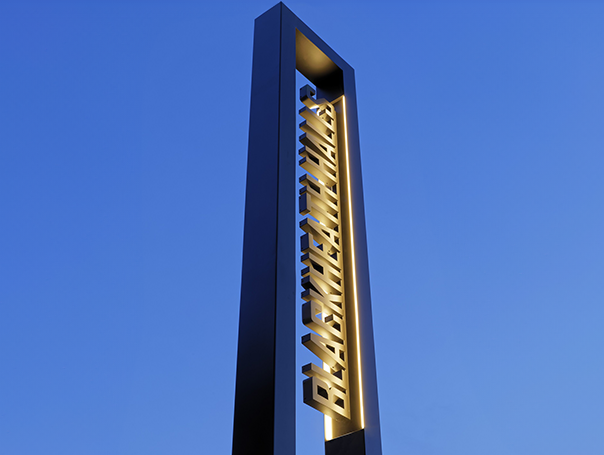
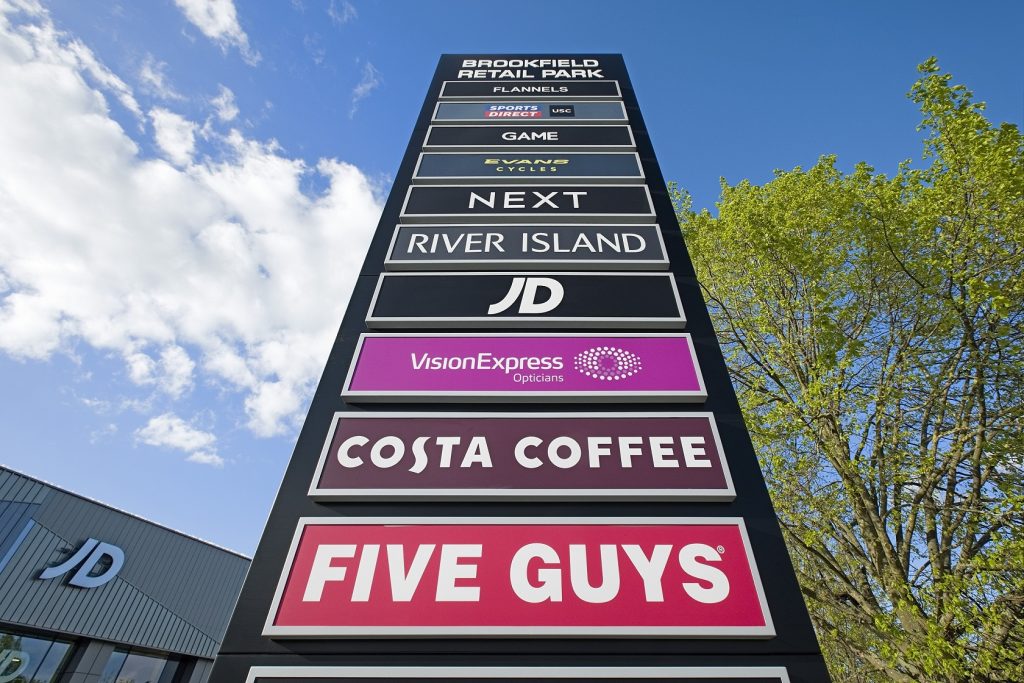
Totem signage often forms the most visible element of a commercial development. Developers use totem signage at the entrances to motorway service areas, retail parks, business campuses and transport hubs to provide clear site identification and wayfinding from a distance. Because of their scale and exposure to the elements, large external signs require careful structural design, coordinated foundations, appropriate materials and well-planned installation logistics.
Structural Design Requirements for Totem Signage
Designers must engineer totem signage to withstand environmental factors throughout its life. The height, surface area and location of the structure determine the level of wind loading the design team must consider.
Engineers typically produce structural calculations to determine:
- wind loading
- internal steel structure sizing
- fixing methods
- overall structural stability
These calculations define the internal steel framework and support posts required to safely support the signage structure.

Foundations and Ground Conditions for Totem Signage
Most large-scale totem signage requires reinforced concrete foundations to support both the weight of the structure and the wind forces acting upon it.
Design teams usually consider:
- ground conditions
- sign height and surface area
- wind loading requirements
- proximity to underground services
- installation access for lifting equipment
Contractors often coordinate this work, installing reinforcement cages and anchor bolts before the signage contractor delivers the structure to site.
Materials and Structural Framework
Behind the finished face of a totem sign sits a carefully engineered structure. Fabricators combine structural steel with external aluminium panels to create a durable and stable structure.
Typical structural elements include:
- steel support posts
- internal steel frameworks
- aluminium skins or folded panels
- mounting rails and structural fixings
Manufacturers choose materials that withstand long term external exposure while allowing access for lighting components and maintenance.


Installation and Lifting Considerations
Large totems require specialist lifting equipment during installation. Installation teams plan lifting operations carefully to ensure safe positioning and alignment of the structure.
Depending on the size of the sign, installers may use HIAB vehicles, mobile cranes
specialist lifting frames and coordinated lifting plans with other site activities.
The installation programme must also allow foundations to cure fully before installers erect the sign.
Illumination and Electrical Coordination for totem signage
Many large external totems incorporate internal illumination to improve visibility during darker hours. Signage contractors coordinate closely with electrical contractors to provide suitable power supplies and cable routing.
The sign structure must accommodate:
- LED illumination systems
- power supplies and drivers
- ventilation and heat management
- maintenance access panels
Early Coordination Improves Project Outcomes
Project teams achieve the best outcomes when they involve the signage contractor early in the design process. Early engagement allows the team to coordinate structural requirements, define foundation locations, plan electrical supplies and assess installation logistics before construction progresses too far.
This approach helps integrate signage into the wider development while reducing the risk of redesign, delays or abortive work later in the programme.
contact our team
Our team works with architects, developers and contractors to design, manufacture and install large external signage that performs structurally and integrates with the wider development. If you are planning a project that includes totem signs, speak to our team to discuss the requirements at an early stage, contact our team on 01698 713399 or email sales@norsign.co.uk

