What Materials Perform Best for External Signage?
External signage must perform reliably in all weather conditions while maintaining its appearance and visibility over time. Architects and contractors often focus on the visual outcome of signage, but material selection plays a major role in long term performance. Weather exposure, maintenance access, lighting integration and installation methods all influence which materials perform best.
When project teams select the correct materials early in the design process, they reduce the risk of deterioration, ongoing maintenance and premature replacement.
Aluminium: The Industry Standard
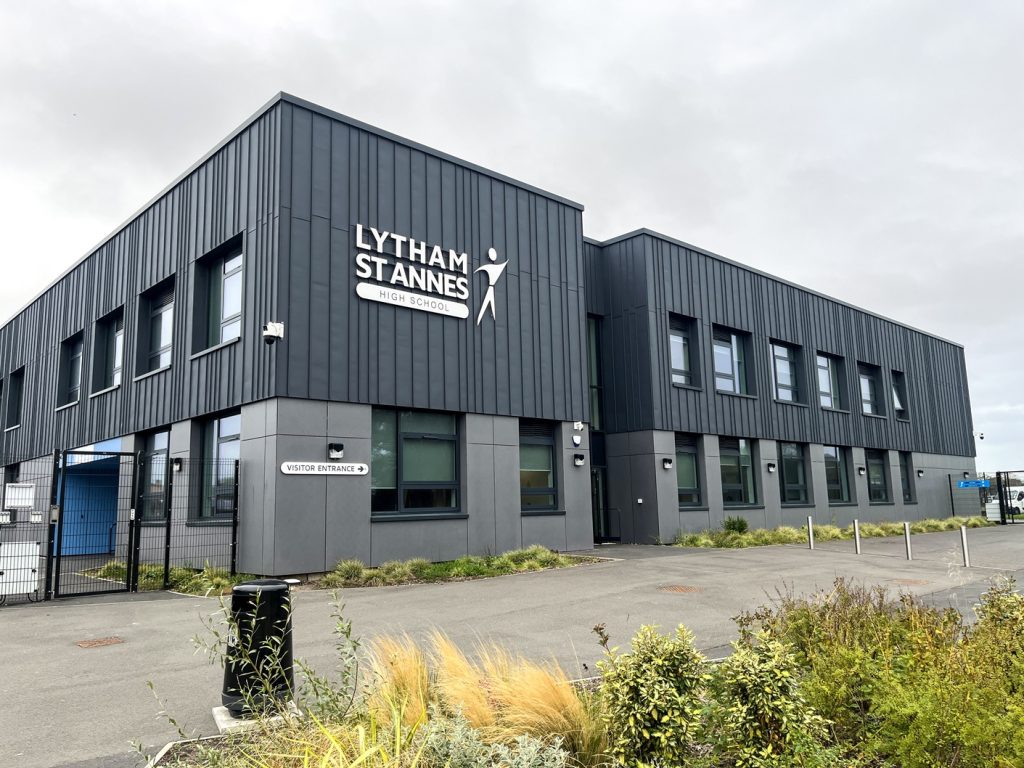
Aluminium remains one of the most widely used materials in external signage. It provides an excellent balance of strength, weight and corrosion resistance.
Fabricators can form aluminium into a wide range of signage types including building lettering, totem structures, post mounted signs and illuminated signage systems.
Manufacturers powder coat aluminium to almost any colour, which creates a durable finish that withstands UV exposure and harsh weather conditions. Aluminium also works particularly well in illuminated signage where fabricated returns house internal lighting components.
For large scale signage, aluminium reduces structural loading compared with heavier materials.
Typical applications include:
- Illuminated building lettering
- External wayfinding panels
- Totem signage structures
- Tray signs and fabricated logos
Stainless Steel: Durable with a Premium Finish
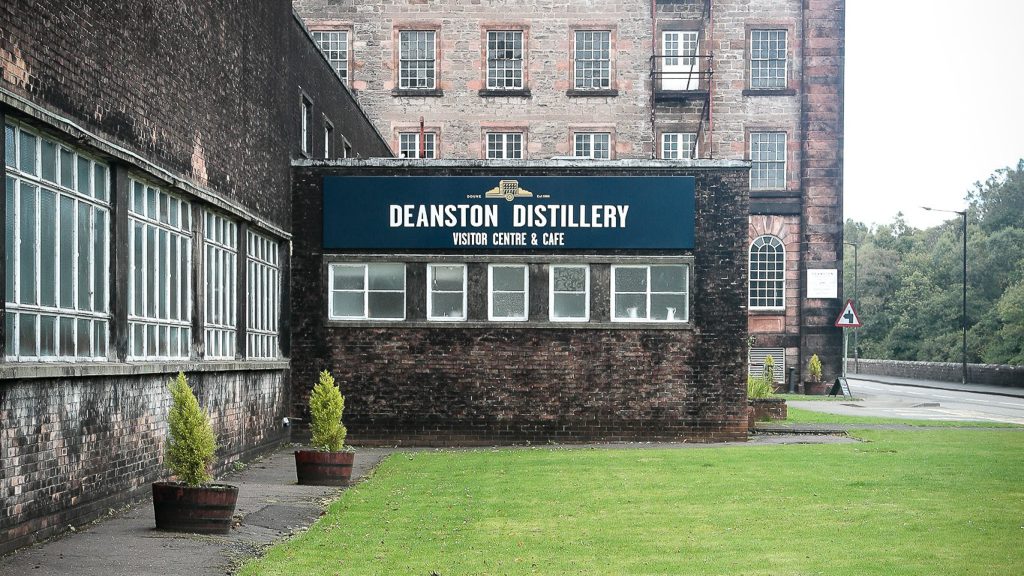
Stainless steel provides excellent durability and corrosion resistance, particularly in exposed environments or coastal locations.
Design teams often select stainless steel where signage needs to complement high end architectural materials such as stone, glass or architectural metalwork.
Manufacturers can brush, polish or bead blast stainless steel to suit the design intent of the building. However, stainless steel weighs significantly more than aluminium and carries a higher cost, so teams typically use it selectively rather than across entire signage systems.
Typical applications include:
- Building name lettering
- Entrance signage
- Architectural feature signage
corten steel
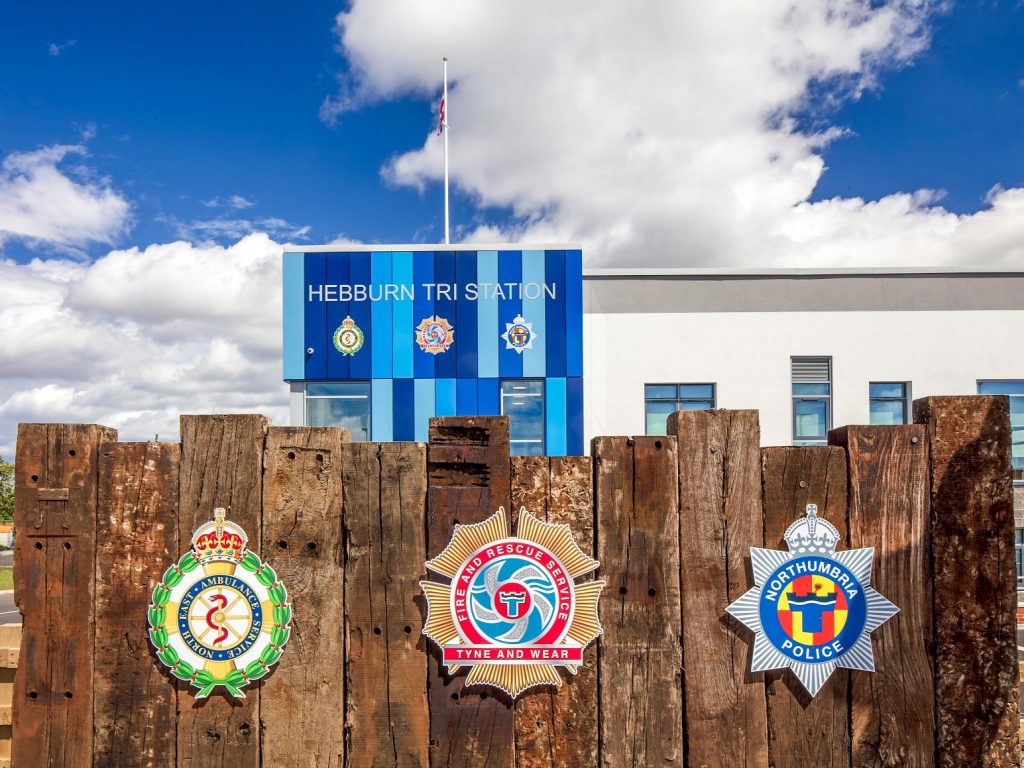
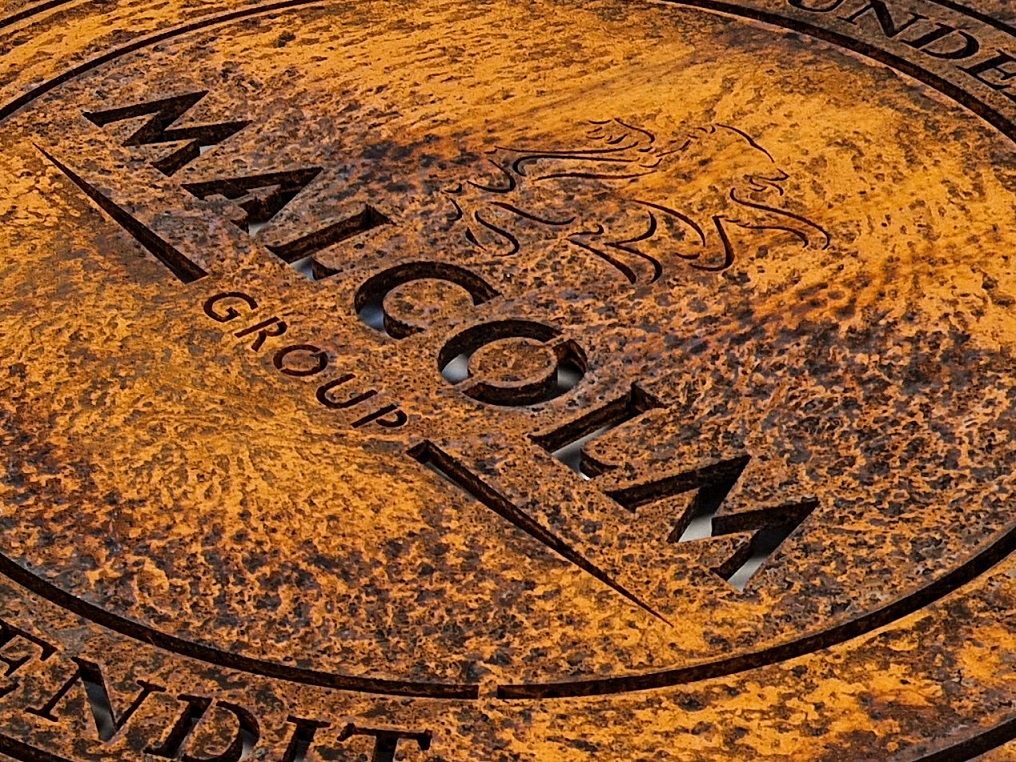
Corten steel offers a distinct approach to external signage by allowing the material to weather naturally over time.
Unlike conventional steel, corten forms a stable oxidised surface layer when exposed to the elements. This protective patina develops gradually, creating a rich, rust like finish that continues to evolve throughout the life of the signage. The weathered surface helps protect the underlying material from further corrosion, making it suitable for long term external use without additional coatings.
Design teams often specify corten where signage needs to sit comfortably within natural or landscaped environments, or where a more tactile and architectural appearance is required. The finish works particularly well alongside stone, timber and planting schemes. Fixing methods, drainage and surrounding materials should all be coordinated during design.
Typical applications include:
- Freestanding totems and monoliths
- Entrance markers within landscaped areas
- Cut out or fabricated lettering
- Heritage signage
Acrylic and Opal Faces for Illuminated Signs
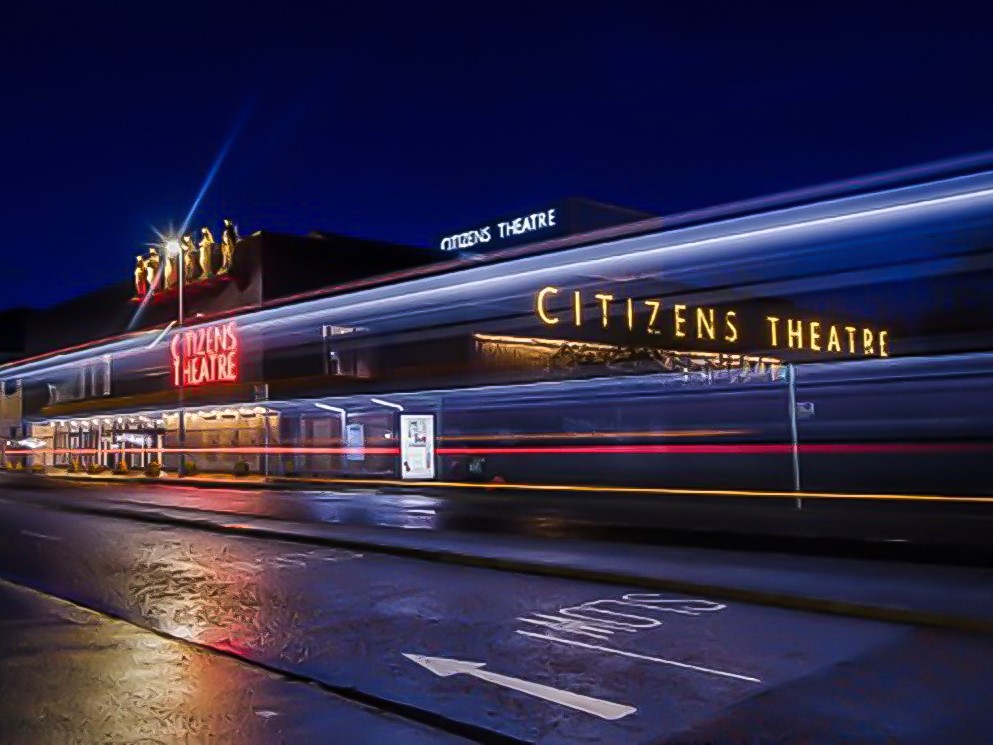
Illuminated signage relies heavily on acrylic materials.
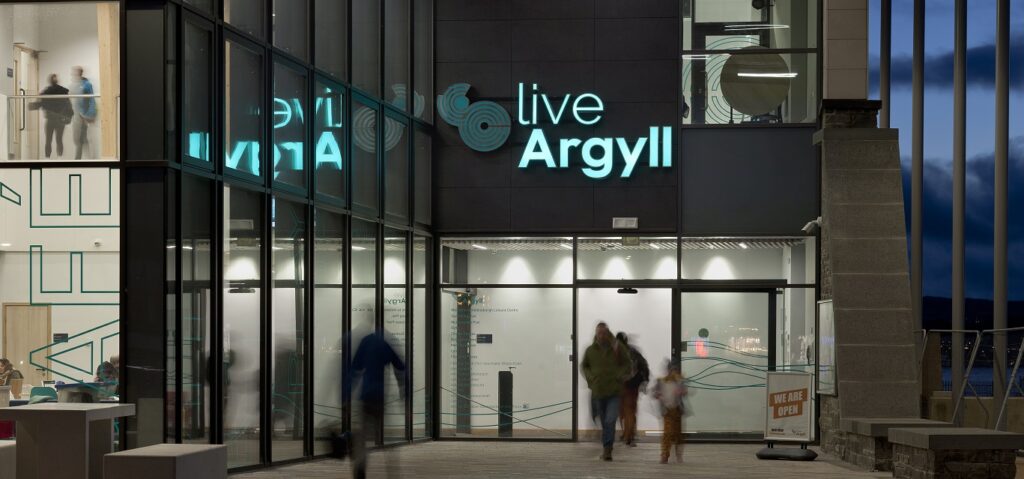
Manufacturers frequently use opal acrylic as the face of internally illuminated letters or lightboxes. This material allows light to pass through evenly while maintaining strong colour and clarity.
Design teams can specify coloured acrylic or apply digitally printed or vinyl graphics depending on the signage design.
When paired with fabricated aluminium letters, acrylic faces create a clean illuminated finish that remains highly visible both during the day and at night.
Typical applications include:
- Face illuminated lettering
- Halo illumination
- Lightboxes
- Illuminated totems
Feature Stone and external Signage
Many developments incorporate feature stone or masonry elements at entrances or within landscaped areas.
Specialist contractors usually supply and install these stone features as part of the wider construction works. Once installed, signage specialists apply lettering, plaques or panels directly to the stone surface.
This approach allows the signage to integrate with the architecture and landscape design while maintaining clear visibility and durability.
Design teams often specify metal lettering, engraved panels or applied graphics depending on the appearance required.
Typical applications include:
- Development entrance markers
- Estate or campus signage
- Heritage or civic projects
Powder Coated Finishes on external signage
Surface finishing plays an important role in how external signage performs over time.
Powder coating protects aluminium signage from corrosion, UV fading and general environmental wear. It also allows signage to align visually with surrounding architectural finishes such as cladding systems or façade treatments.
Project teams should select coating specifications that suit the environmental conditions of the site, particularly in exposed locations.
Selecting the Right external signage Material
No single material works best for every project. Most signage packages combine multiple materials depending on the purpose of each sign type.
Large, illuminated building lettering often uses aluminium and acrylic. Campus wayfinding systems frequently rely on aluminium panels with applied graphics. Entrance markers may incorporate feature stone with applied metal lettering.
When the design team coordinates these materials properly, the signage system performs well while remaining visually aligned with the building architecture.
Early collaboration between the design team, contractor and signage specialist helps ensure the signage performs as intended once installed.
Contact our team to discuss external signage
External signage sits at the intersection of architecture, engineering and manufacturing. Material selection plays a central role in ensuring signage remains durable, legible and visually aligned with the building.
When project teams consider environmental exposure, structural requirements and maintenance access during the design stage, they deliver signage that performs as well as it looks.
If your project includes external signage, our team can support with material selection, technical design and manufacture to ensure the finished signage performs reliably in its environment.
If you are planning a project and want to discuss the signage package, contact our team on 01698 713399 or email sales@norsign.co.uk

