Norsign Appointed on St Edmund Hall, University of Oxford Bespoke Signage Scheme
Norsign Group Ltd will deliver the full design, manufacture, and installation of bespoke signage at St Edmund Hall, University of Oxford.
This is a highly unique scheme, with a strong emphasis on materials, detail and consistency across the estate. The project spans internal wayfinding, donor recognition, and external signage, all carefully developed to complement the character of the buildings.
design led design
This project is being led by design from the outset, with bespoke signage forming a core part of the overall scheme rather than an afterthought.
Working closely with the client team, we have developed a coordinated signage family that balances traditional materials with precise, modern detailing. A significant part of the process has involved producing and refining physical samples. This allows us to review and approve finishes, engravings, and material combinations before manufacture.
Designers have considered each component, from European Oak to antique brass elements, in terms of durability, appearance, and how it fits within the wider architectural environment.
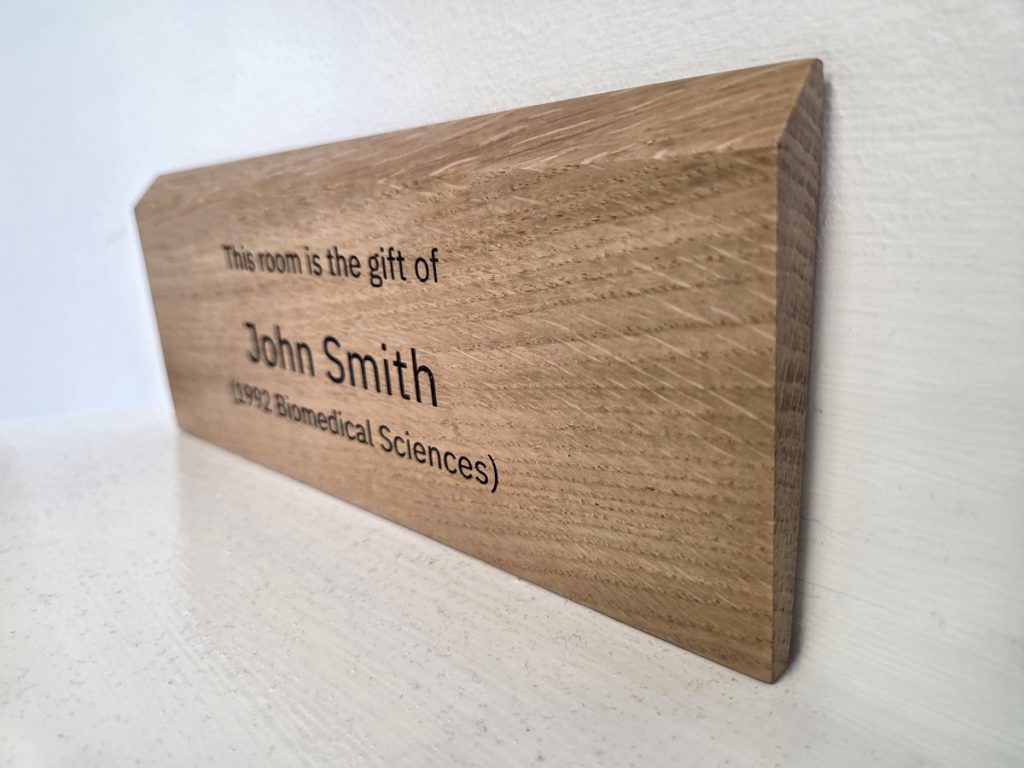

Bespoke signage for Donor Recognition
A central feature of the project is the donor recognition package, delivered through a series of bespoke signage elements designed to feel integrated within the building fabric. The main donor wall incorporates a solid oak framed structure with removable engraved plaques, allowing for future updates while maintaining a consistent visual standard.
Across the site, the team has developed donor plaques in a range of formats, including:
- Solid oak plaques with laser engraved and infilled text
- Corridor mounted recognition panels with precise alignment and fixing
- Larger feature boards designed to accommodate multiple donors
For example, the donor wall includes 225 individual plaques integrated into a hardwood system, ensuring both flexibility and longevity.
This approach allows the university to evolve donor recognition over time without compromising the original design intent.


Coordinated Wayfinding Across Buildings
The scheme also includes a full internal wayfinding package across multiple buildings, including Willis Building and Elliott House.
The bespoke signage strategy include:
- Door signage
- Directional signage
- Main directories and level indicators
- Lift directories
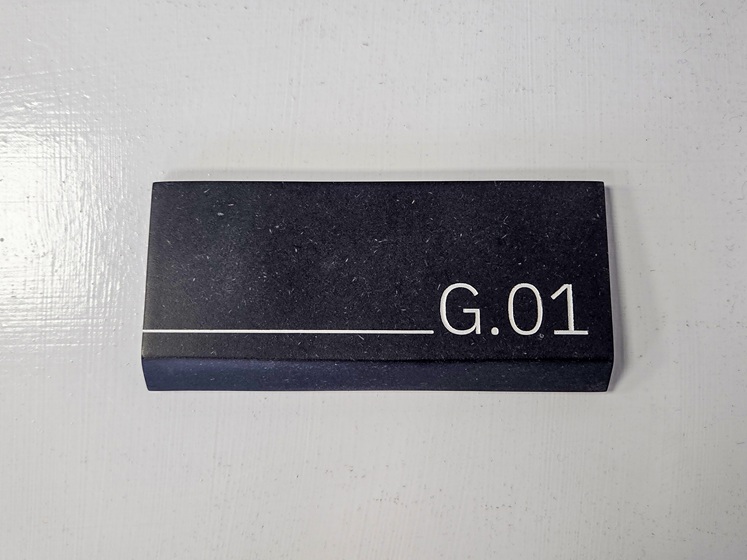
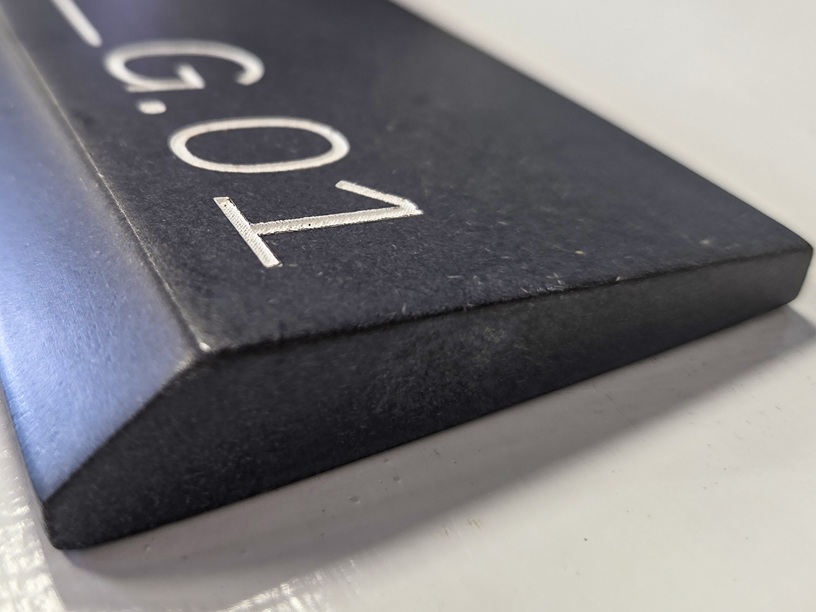
The designer has created these elements using machined Valchromat panels with engraved and infilled content. Alongside integrated braille, ensuring clarity, durability and accessibility.
Consistency across buildings has been key, ensuring users can navigate the estate easily while maintaining a cohesive visual identity.
external signage
Externally, signage has been developed to complement the heritage setting while remaining robust and legible.
This includes:
- Entrance signage mounted to trellis structures
- Oak and antique brass plaques with engraved content
- Clear identification of key access points and buildings
The use of antique brass with engraved and infilled text, paired with European Oak, creates a finish that sits comfortably within the historic context of the site.
Concept to Installation
With a strong emphasis on design development and sample approval, the project is now progressing through detailed manufacture ahead of installation.
By engaging early and working through materials, finishes, and detailing at the prototype stage, the team aligns the bespoke signage scheme with both the architectural intent and the client’s expectations.
Delivering Bespoke Signage
Projects like St Edmund Hall demonstrate the value of integrating bespoke signage into the design process from the outset.
We have considered, tested, and refined every element, from donor recognition to wayfinding, to ensure it delivers both function and quality.
If you are delivering a similar scheme, contact our team to ensure we fully integrate your bespoke signage into the design and construction process.
Call our team at 01698 713399 or email sales@norsign.co.uk to discuss your project.

