Supporting Architects Through Early Signage Engagement
In every construction project, architectural signage is one of the final elements to be installed, yet it is one of the first things a building’s users rely on. Clear wayfinding well considered materials, and thoughtfully planned locations can make the difference between a building that simply functions and one that feels coherent, intuitive, and welcoming.
From our experience supporting architects across education, healthcare, commercial, and leisure sectors, there is a common theme: the most successful outcomes happen when signage contractors understand the architectural intent as well as the technical requirements.
Early coordination of architectural signage avoids unnecessary redesign
By the time signage is procured, most architectural decisions are already locked in. But some elements, wall finishes, lighting positions, service routes, and door schedules directly affect signage placement.
Architects consistently tell us that earlier engagement would remove clashes, reduce variations, and protect the design intent. When signage contractors join the conversation too late, changes either become disruptive or visually compromising.
Early coordination allows:
- Ensure that the correct patters and support structures are in place before completing the wall finishes and external cladding.
- Confirm the power requirements and routes for digital or illuminated signage before closing the walls.
- Identifying clashes with MEP services so signage can be fixed safely and securely
- Planning for recessed, integrated, or oversized features that require structural support or specialist fixings
Put simply early involvement strengthens both design and delivery.
Samples matter
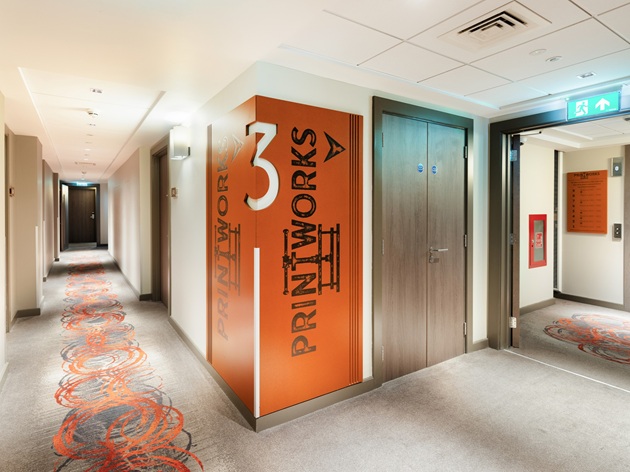
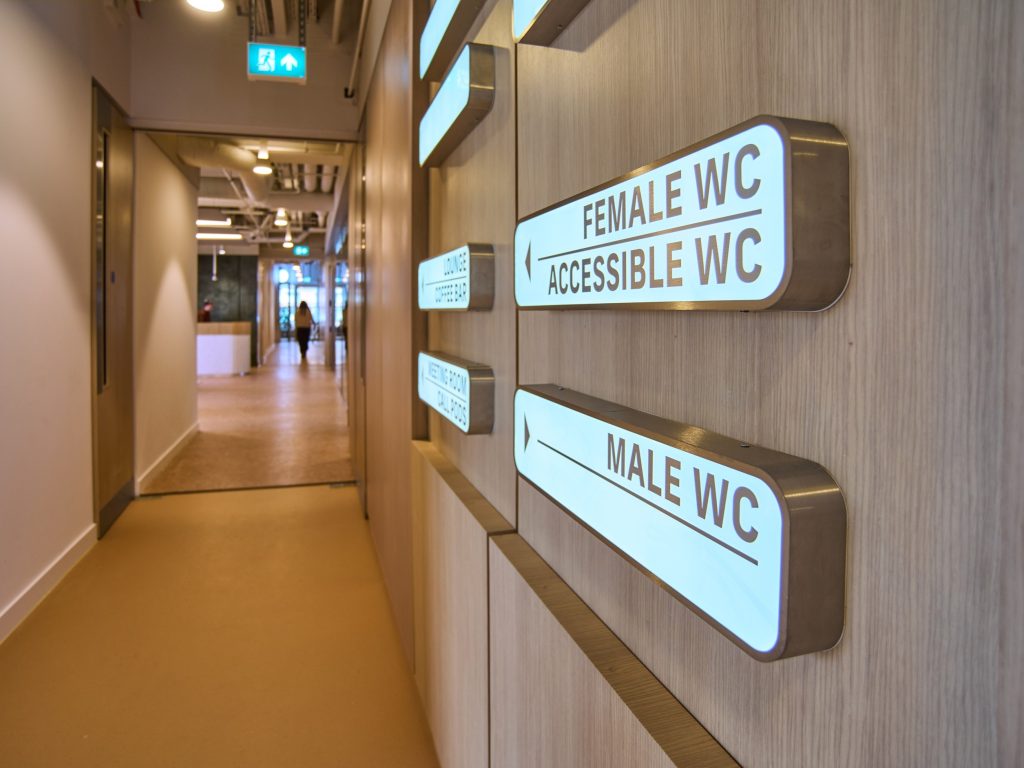
Architects place significant value on samples because they bridge the gap between a drawing and the physical reality of architectural signage. The finish, depth, weight, and edge detail all influence whether a sign complements or distracts from the space.
The most appreciated samples are:
- Full size where possible, not miniature approximations
- Finished to the same standard as the final product
- Supplied early enough to influence material choices
- Accompanied by technical details, sustainability credentials, and fixing options
Samples help architects make confident decisions and they prevent late-stage delays.

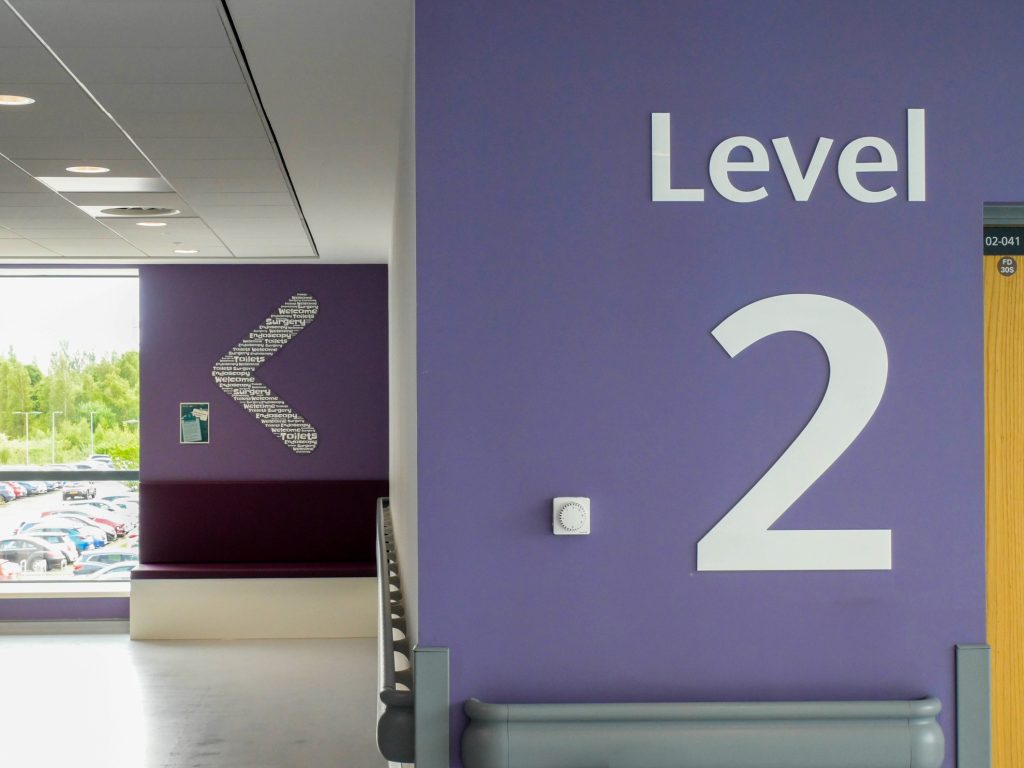
consistency in archirectural signage is essentail
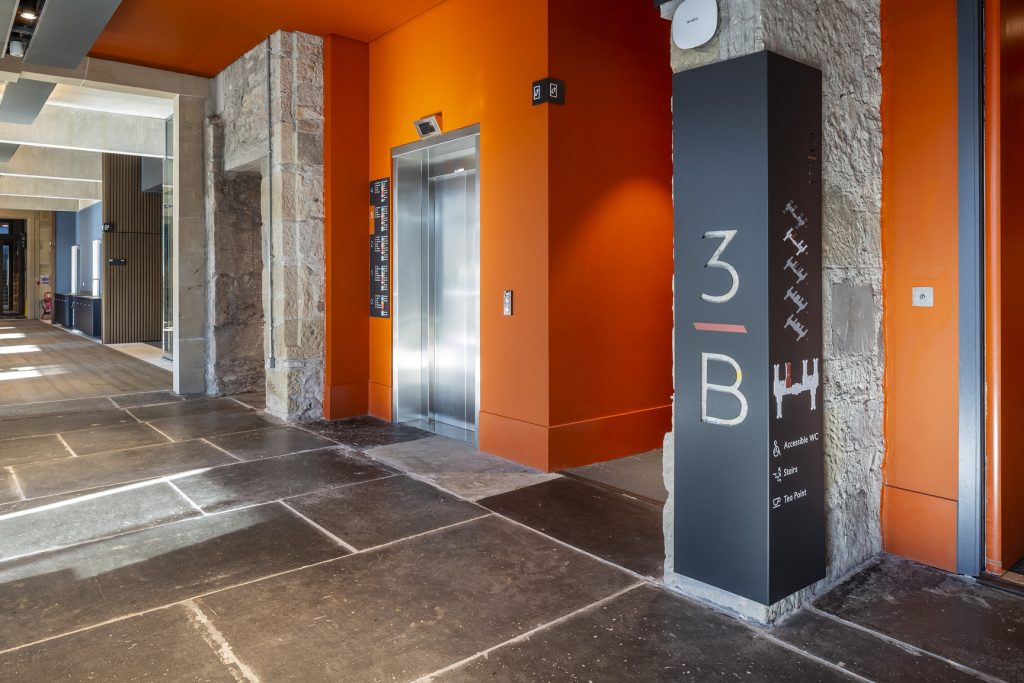
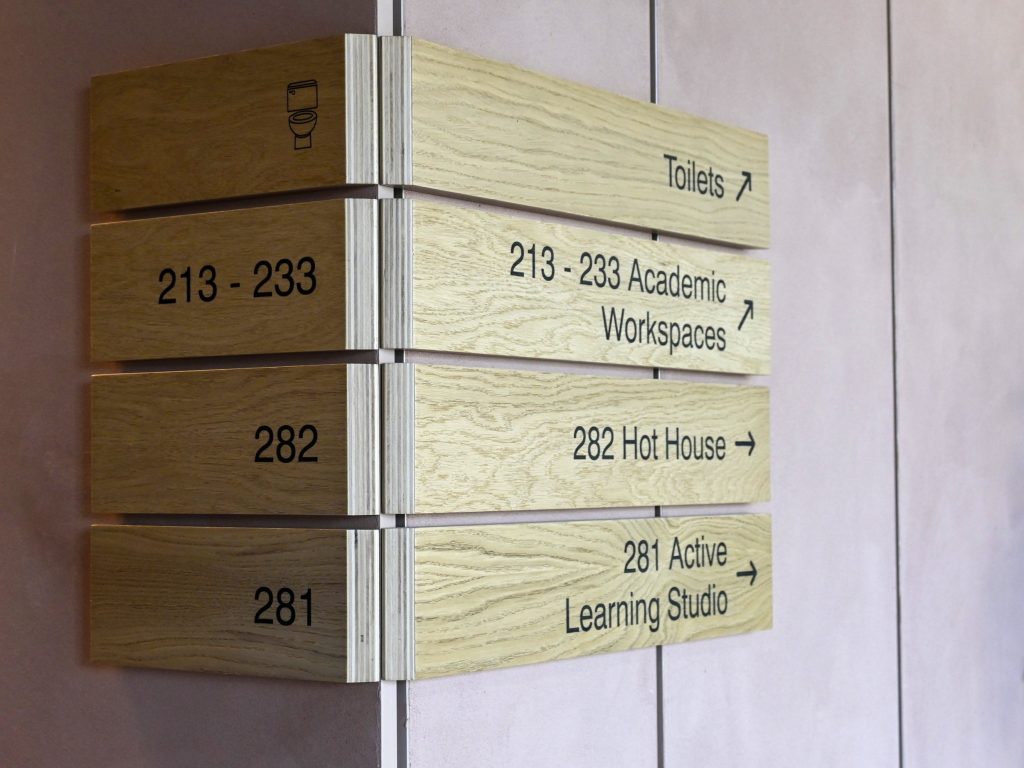
Large developments often include dozens of sign types, multiple materials, and varied user requirements. The entire scheme should read as a coherent family, not a collection of mismatched components delivered by different teams.
Consistency needs to cover:
Typography and hierarchy
Materiality, finishes, and illumination style
Iconography and accessibility features
Fixings, stand offs, rails, and mounting methods
Signage contractors who maintain strong internal quality checks and detailed type catalogues help protect the visual language of the project.
Understand the building’s narrative
Architects develop a clear design vision for every project. Materials, colours, and layout are all chosen for specific reasons that shape how a building feels and functions. Wayfinding should support that vision rather than compete with it.
Signage plays a role in how a building looks and feels. When contractors understand the overall design, they can make better choices that support it. This can affect:
- What materials are used
- The style and detail of the graphics
- How information is worded
- How people naturally move around the building
When signage aligns with the concept, the building feels more intentional and more human.
Clear coordination prevents site issues
Projects often feel the impact of poor coordination most acutely during the final stages of construction. Missing door numbers, incorrect elevations, unclear fixing requirements, or late design changes can cause delays and affect handover quality.
The contractors that architects appreciate most are those who:
- Flag issues early with clear, construction ready drawings
- Provide mock ups when needed
- Communicate proactively with main contractors and MEP teams
- Document everything including approvals, revisions, installation records
Strong coordination builds trust and keeps the project moving smoothly.
architectural Signage isn’t just information it’s part of the architecture
The perception of signage has evolved. It is no longer just a label on a wall. It shapes user experience, contributes to safety and accessibility, and forms part of the interior and exterior design language.
Norsign Group Ltd values partners who see signage as an important part of the overall design, not something added at the end. This involves:
Getting proportions and layout right
Considering sightlines throughout the space
Integrating lighting effectively
Building accessibility into the design from the start
Signage may be one of the smaller packages on a project, but it carries an outsized impact on how the building is experienced.
What architects require from signage partners is simple, clarity, collaboration, and respect for the design intent. When signage contractors bring technical expertise, coordinated processes, and a genuine understanding of the architectural vision, the result is a building that works beautifully both functionally and visually.
To discuss early signage coordination on your next project, get in touch with our team. contact Norsign’s team for design support, material samples, or an overview of your project.

